

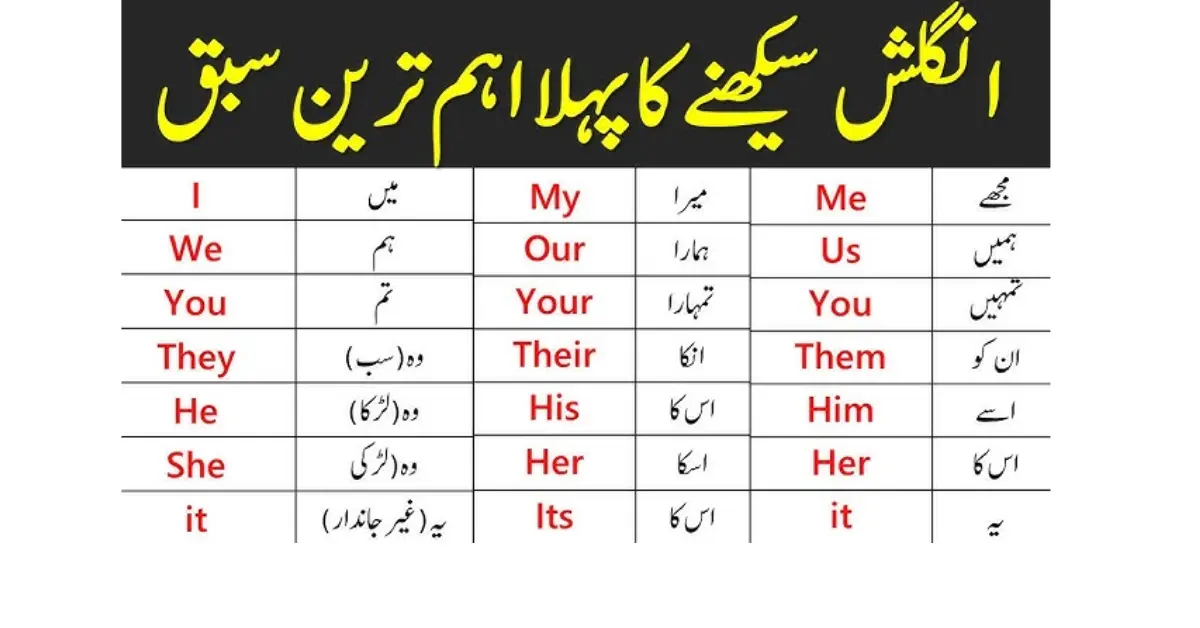
Introduction
The phrase “Usi Ne” (उसी ने in Hindi / اُسی نے in Urdu) is a simple yet powerful part of everyday conversation in both Hindi and Urdu. It is used to point out or emphasize that a particular person is the one who performed an action. In English, it can be translated as “that very person” or “he/she was the one.”
For example:
- Usi ne mujhe bulaya. → It was him/her who called me.
- Usi ne madad ki. → That very person helped.
This phrase not only adds clarity but also strengthens the expression in a sentence. Whether you are learning Hindi/Urdu as a beginner or polishing your conversational skills, understanding how to use “usi ne” will make your communication sound more natural and fluent.
What Does Usi Ne Mean?

The phrase “Usi Ne” combines two words:
- Usi (उसी / اُسی) → means that very or the same one, pointing to a specific person or thing.
- Ne (ने / نے) → is a particle used in Hindi and Urdu grammar that marks the subject of an action, especially when the verb is in the past tense.
So when we put them together, “Usi Ne” means “that very person did it” or “he/she was the one who performed the action.”
Example Sentences:
- Usi ne kitaab di. → It was him/her who gave the book.
- Usi ne kaam pura kiya. → That very person finished the work.
- Usi ne sabko hairaan kar diya. → He/She surprised everyone.
In short, “Usi Ne” is a way to emphasize and highlight the doer in a sentence.
You May Also Like It!
Business Casual Guide: Dress Smart, Stylish & Professional
Apple Business Manager: Simplify Device & App Management
Connections Hint Today: Solve Your Daily Puzzle Easily
The Grammar Behind Usi Ne
To understand “Usi Ne”, we need to look at how Hindi and Urdu grammar works, especially the use of the word “ne.”
Role of “Ne”
In Hindi and Urdu, “ne” is used as a subject marker in the ergative case. This means when the subject performs an action in the past tense (usually with transitive verbs), we add “ne” after the subject.
Example:
- Ram ne khaana khaya. → Ram ate the food.
- Ali ne kitaab padhi. → Ali read the book.
Here, “Ram” and “Ali” are subjects, and “ne” marks them as the doers.
Adding Emphasis with “Usi”
When we add “usi” (that very / the same one) before “ne,” it gives extra emphasis to the subject.
Example:
- Usi ne madad ki. → It was that very person who helped.
- Usi ne mujhe bulaya. → He/She was the one who called me.
Difference Between “Usne” and “Usi Ne”
- Usne → means he/she did it (without emphasis).
- Usi Ne → means that very person did it (with strong emphasis).
So, “Usi Ne” is not just about identifying the subject but also highlighting and stressing exactly who performed the action.
Is your USI number on myGov?
USI (Unique Student Identifier) can be linked to your myGov account in Australia.
Here’s how it works:
- A USI is a unique reference number given to anyone doing nationally recognised training in Australia.
- It helps keep all your training and education records in one place.
- You can access your USI account directly via the USI website, but it can also be linked to myGov, making it easier to manage alongside other government services.
How to check if your USI is on myGov:
- Log in to your myGov account
- Go to Linked services.
- Look for Education and Training or USI Registry Office.
If it’s not linked, you can add it manually by selecting Link a service and choosing USI.
Does everyone have a USI number?
- Not everyone automatically has a USI.
- A USI (Unique Student Identifier) is only created when someone undertakes nationally recognised training in Australia (such as TAFE, apprenticeships, VET courses, or certain university programs).
Who needs a USI?
- Anyone studying in Australia in a nationally recognised course.
- Domestic and international students doing accredited training.
- From 2015 onwards, all students must have a USI to receive their qualification or statement of attainment.
Who doesn’t have a USI?
- People who have never enrolled in formal nationally recognised training in Australia.
- Students who studied before 2015 and haven’t done any accredited training since.
In short: If you’ve studied nationally recognised training since 2015, you have (or should have) a USI. If you haven’t, you won’t have one yet—but you can create it anytime.
How to Get a USI Number in Australia
A USI (Unique Student Identifier) is free and easy to create online. You only need to do it once, and it stays with you for life.
Step 1: Go to the USI Website
- Visit the official USI website
- Click Create a USI.
Step 2: Have Your ID Ready
You’ll need one form of identification, such as:
- Driver’s licence
- Passport (Australian or non-Australian)
- Medicare card
- Birth certificate
- Visa details
Step 3: Fill in Your Details
- Enter your personal information (name, date of birth, contact details).
- Make sure it matches exactly with your ID.
Step 4: Create Your USI
- Choose a password and security questions.
- Submit your application.
Step 5: Confirmation
- You’ll get your USI number instantly on screen and by email/SMS.
- You can now give this number to your training provider.
Once created, your USI lets you:
- See all your nationally recognised training records in one place.
- Share results with employers or training organisations.
- Access statements of attainment anytime.
Pro tip: If you’re not sure whether you already have a USI, you can use the “Find your USI” tool on the same website before creating a new one.
When to Use Usi Ne in Conversations
The phrase “Usi Ne” is used when you want to highlight or emphasize exactly who did something in a sentence. It adds stress to the subject, making your statement clearer and stronger.
To Emphasize the Doer
When you want to stress that this specific person did the action.
- Usi ne madad ki. → It was that very person who helped.
- Usi ne darwaza khola. → He/She was the one who opened the door.
To Remove Doubt or Confusion
If people are unsure about who performed the action, “usi ne” clears it up.
- Sabko laga Ravi ne kiya, lekin usi ne kiya tha.
→ Everyone thought Ravi did it, but it was him/her.
In Storytelling
While narrating an event, you can use “usi ne” to make the story engaging and emphasize the subject.
- Kal meeting mein sab chup the, par usi ne sabse pehle baat ki.
→ Yesterday in the meeting, everyone was quiet, but he/she was the one who spoke first.
To Show Importance
It can also show that the action was significant because that very person did it.
- Usi ne project complete kiya, isliye use award mila.
→ He/She completed the project, that’s why he/she got the award.
In short, you use “Usi Ne” when you want to point out, emphasize, or clarify the doer in any situation.
Examples of Usi Ne in Sentences
Using “Usi Ne” in real conversations makes it easier to understand its role in Hindi and Urdu. Below are some simple examples with translations:
Daily Life Examples
- Usi ne mujhe phone kiya.
It was him/her who called me. - Usi ne khana banaya.
That very person cooked the food. - Usi ne darwaza khola.
He/She was the one who opened the door.
Clarifying Situations
- Sab soch rahe the Ali ne kiya, lekin usi ne kiya tha.
Everyone thought Ali did it, but it was him/her. - Usi ne galti ki, main nahi.
He/She made the mistake, not me.
Storytelling or Narration
- Kal ke match mein usi ne jeet dilayi.
In yesterday’s match, it was him/her who brought the victory. - Party mein gaana usi ne shuru kiya.
At the party, it was he/she who started the singing.
Showing Importance
- Usi ne project complete kiya, isliye use award mila.
That very person completed the project, so he/she got the award. - Usi ne sabko inspire kiya.
It was he/she who inspired everyone.
These examples show that “Usi Ne” is mostly about emphasis—pointing out that this exact person is responsible for an action.
Common Mistakes Learners Make with Usi Ne
Although “Usi Ne” is simple, many learners of Hindi and Urdu make small mistakes when using it. Here are some common errors to watch out for:
Confusing “Usne” with “Usi Ne”
- Usne → means he/she did it (neutral statement).
- Usi Ne → means that very person did it (adds strong emphasis).
Learners often use “usne” when they actually want to stress the subject.
Forgetting the Role of “Ne”
Some beginners drop “ne” altogether, which makes the sentence incorrect in past tense with transitive verbs.
- Wrong: Usi khana banaya.
- Correct: Usi ne khana banaya. (It was that very person who cooked the food.)
Misplacing “Usi” in the Sentence
“Usi” should directly connect with the subject, not the object.
- Wrong: Mujhe usi pasand aaya. (changes meaning)
- Correct: Usi ne mujhe pasand kiya. (That very person liked me.)
Overusing “Usi Ne”
While emphasis is important, using “usi ne” too often can make speech sound unnatural. Native speakers only use it when they need to highlight the doer.
Not Matching Verb Agreement
In Hindi and Urdu, verbs must agree with gender/number. Learners sometimes forget this when stressing with “usi ne.”
- Usi ne kitab padhi. (feminine object – correct)
- Usi ne kitab padha. (wrong, because “kitab” is feminine)
By avoiding these mistakes, learners can use “Usi Ne” more naturally and effectively in real conversations.
Difference Between Usi Ne and Usne
Many learners confuse “Usi Ne” with “Usne,” but the two phrases are slightly different in meaning and usage.
Usne (उसने / اُس نے)
- Simply means he/she did it.
- It identifies the subject but does not add extra emphasis.
- Used in normal statements.
Examples:
- Usne khana banaya. → He/She cooked the food.
- Usne darwaza khola. → He/She opened the door.
Usi Ne (उसी ने / اُسی نے)
- Means that very person did it.
- It emphasizes or stresses that a particular person (not someone else) performed the action.
- Used when you want to highlight, clarify, or stress the doer.
Examples:
- Usi ne khana banaya. → It was that very person who cooked the food.
- Usi ne darwaza khola. → He/She was the one who opened the door.
Key Difference in Usage
- Usne → General statement, no stress.
- Usi Ne → Strong emphasis, often used to remove doubt or highlight importance.
Think of “Usne” as he/she did it, and “Usi Ne” as he/she was the one who did it.
Why Learning Usi Ne is Useful for Hindi/Urdu Learners
For anyone studying Hindi or Urdu, mastering small but powerful phrases like “Usi Ne” can make your speech sound more natural, expressive, and closer to native speakers. Here’s why it matters:
Adds Emphasis in Communication
Instead of just saying “he/she did it,” you can stress that a particular person was responsible. This makes your speech clearer and stronger.
- Usne madad ki. → He/She helped.
- Usi ne madad ki. → It was that very person who helped.
Helps Avoid Misunderstandings
By using “Usi Ne,” you remove confusion about who actually did the action. This is especially helpful in storytelling or when clarifying situations.
Builds a Deeper Understanding of Grammar
Learning when and how to use “ne” improves your knowledge of ergative case grammar, which is an important part of both Hindi and Urdu.
Makes You Sound More Fluent
Native speakers often use “usi ne” to highlight or emphasize someone’s role. Using it correctly will make your conversations flow more naturally.
Useful in Real-Life Conversations
Whether you are chatting with friends, telling a story, or clarifying details, “usi ne” is a phrase you’ll hear and use often.
In short, learning “Usi Ne” not only improves grammar but also makes your Hindi/Urdu speech sound clearer, more confident, and authentic.
Usi Ne in Everyday Dialogues
The best way to understand “Usi Ne” is to see how it appears in real-life conversations. Below are some simple dialogue examples in Hindi/Urdu with English translations:
Example 1: Clarifying Who Helped
A: Kisne tumhari madad ki?
(Who helped you?)
B: Usi ne madad ki.
(It was that very person who helped.)
Example 2: Telling a Story
A: Match kisne jeeta?
(Who won the match?)
B: Usi ne akhri run banaya aur team jeet gayi.
(He/She scored the last run and the team won.)
Example 3: Removing Doubt
A: Mujhe lagta hai Ravi ne phone kiya.
(I think Ravi called.)
B: Nahi, usi ne phone kiya tha.
(No, it was that very person who called.)
Example 4: Everyday Life
A: Khana kisne banaya?
(Who cooked the food?)
B: Usi ne sab khana banaya.
(That very person cooked all the food.)
Example 5: Showing Importance
A: Project ka kaam kisne complete kiya?
(Who completed the project work?)
B: Usi ne kaam pura kiya, isliye use award mila.
(It was that very person who completed the work, that’s why he/she got the award.)
As you can see, “Usi Ne” fits naturally into everyday conversations whenever you want to emphasize or highlight the doer.
You May Also Like It!
Wordle Hints & Answer (#1529) – Tuesday, August 26, 2025
Connections Hint: Smart Clues to Solve the NYT Puzzle
iPhone 17 Air: Features, Price, Release Date & Full Review
Frequently Asked Questions (FAQs) about Usi Ne
What does “Usi Ne” mean in English?
“Usi Ne” means “that very person did it” or “he/she was the one.” It is used to emphasize who exactly performed an action.
How is “Usi Ne” different from “Usne”?
Usne → simply means he/she did it (neutral).
Usi Ne → means that very person did it (adds strong emphasis).
Is “Usi Ne” used in both Hindi and Urdu?
Yes “Usi Ne” is common in both Hindi (उसी ने) and Urdu (اُسی نے) with the same meaning and usage.
Can I use “Usi Ne” in present tense sentences?
No “Ne” is generally used with past tense transitive verbs.
For present tense, you don’t need “ne.”
Correct (past): Usi ne khana banaya. → That very person cooked the food.
Wrong (present): Usi ne khana banata hai. (incorrect)
Why should learners focus on “Usi Ne”?
Because it makes speech more natural, fluent, and expressive. It also helps learners understand how emphasis and subject marking work in Hindi and Urdu.
Final Thoughts on Usi Ne
The phrase “Usi Ne” may look simple, but it plays an important role in both Hindi and Urdu conversations. It adds emphasis, clarity, and focus to a sentence, making sure listeners know exactly who performed the action.
For learners, understanding “Usi Ne” helps in two big ways:
- It improves your grip on grammar (especially the use of “ne” in past tense with transitive verbs).
- It makes your speech sound natural and closer to native speakers.
Whether you are telling a story, clarifying confusion, or highlighting someone’s importance, using “Usi Ne” makes your language stronger and more expressive.
So next time you’re speaking Hindi or Urdu, try using “Usi Ne”—it’s a small phrase with a big impact on communication.
You May Also Like It!
Linked In Games: Engage, Entertain & Boost Your Skills
Starship Launch: SpaceX’s Journey to the Moon, Mars & Beyond
