

Introduction to Business Casual
What Does Business Casual Really Mean?
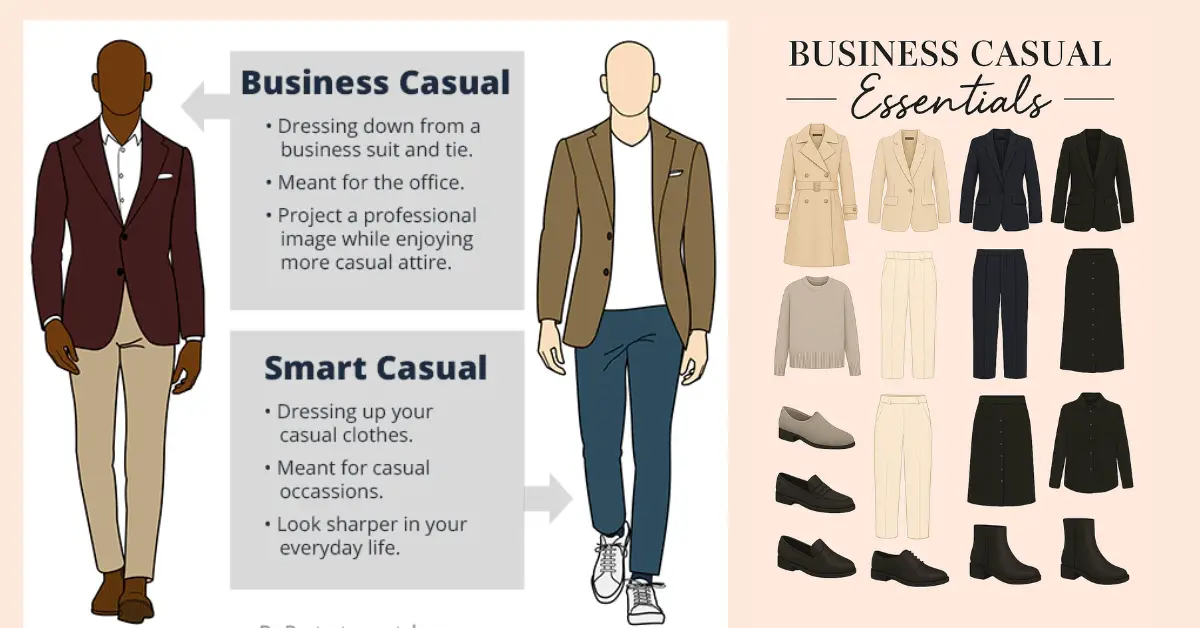
Business casual is a dress code that blends the professionalism of traditional business wear with the comfort of casual clothing. It’s not as formal as a suit and tie, but it’s also not as relaxed as jeans and sneakers. Think of it as a middle ground—polished, neat, and professional, yet comfortable enough for everyday work.
How It Became a Popular Workplace Dress Code
The concept of business casual gained popularity in the 1980s and 1990s, especially in the United States. Tech companies in Silicon Valley wanted to create a more relaxed work culture that encouraged creativity and collaboration. Over time, this approach spread across industries worldwide. Today, business casual is the most common workplace dress code, balancing professionalism with practicality.
Why Business Casual Matters in the Workplace
First Impressions and Professionalism
The way you dress plays a big role in how people perceive you. Business casual strikes the right balance—it shows you’re professional, responsible, and respectful of the workplace without being overly formal. A neat, well-put-together outfit can leave a positive first impression on clients, managers, and colleagues, which can even impact career growth opportunities.
Comfort and Flexibility in Modern Offices
One of the biggest advantages of business casual is comfort. Unlike traditional suits, business casual clothing gives employees more freedom to choose outfits that fit their style while still looking polished. This flexibility helps create a more relaxed environment, which can boost productivity and creativity. It also allows people to transition easily between professional meetings and social events after work.
You May Also Like It!
Zamir White: Rising NFL Star and Football Champion
Sun Sport: Latest Scores, News, Highlights & Expert Analysis
Sport Quiz Questions: Test Your Sports Knowledge & Have Fun
Business Casual for Men: A Detailed Guide
Shirts: Dress Shirts, Polo Shirts, and Acceptable Patterns
For a business casual wardrobe, shirts are the foundation. A crisp button-down shirt is always a safe choice, whether plain, striped, or with subtle patterns. Polo shirts are also acceptable, especially in warmer months, but they should be clean, well-fitted, and free of logos. Avoid T-shirts and bold graphic prints as they look too casual.
Pants: Chinos, Khakis, and When Jeans Are Okay
Chinos and khakis are the go-to pants for business casual. They come in versatile colors like navy, beige, and gray, which pair well with most shirts. In some offices, dark, well-fitted jeans are acceptable, but ripped or faded jeans should be avoided. Always make sure your pants are wrinkle-free and properly tailored.
Jackets and Blazers: Adding Polish to the Look
A blazer or sport coat can instantly elevate a business casual outfit. It’s not always required, but wearing one can make you look more professional, especially for meetings or presentations. Stick to neutral shades like navy, charcoal, or black, which are easy to mix and match.
Shoes: Loafers, Oxfords, and What to Avoid
Shoes complete the outfit. Loafers, brogues, and Oxfords are ideal choices for business casual. Leather sneakers may be acceptable in creative workplaces, but athletic sneakers, sandals, or flip-flops should never be worn. Stick to polished, clean shoes that match your belt for a cohesive look.
Accessories: Belts, Ties (Optional), and Watches
Accessories in business casual should be simple and practical. A leather belt that matches your shoes is a must. Ties are optional, but if worn, they should be subtle rather than flashy. A classic wristwatch adds a touch of sophistication without being too bold. Avoid loud jewelry or oversized accessories.
Business Casual for Women: A Detailed Guide
Tops: Blouses, Button-Downs, and Sweaters
Blouses and button-down shirts are the most common choices for a business casual look. Stick to solid colors, light patterns, or soft prints for a professional vibe. Knit tops and lightweight sweaters are also excellent options, especially in cooler seasons. Avoid overly revealing tops, spaghetti straps, or bold graphic tees, as they look too casual for the workplace.
Bottoms: Dress Pants, Skirts, and Dresses
Dress pants are the foundation of a business casual wardrobe. They should be tailored, wrinkle-free, and in neutral colors like black, navy, or gray. Skirts are also appropriate, but they should be knee-length or longer for a professional appearance. Dresses are a versatile choice too—just make sure they are modest, well-fitted, and office-appropriate.
Layers: Cardigans, Blazers, and Outerwear
Adding layers can give your outfit a polished and professional touch. A structured blazer works perfectly for meetings or presentations, while cardigans provide comfort for everyday wear. In colder months, opt for tailored coats or trench coats that keep you warm without compromising your professional look.
Shoes: Flats, Heels, and Comfortable Options
Shoes should strike a balance between style and comfort. Flats, loafers, and low to medium heels are all excellent choices. Open-toe shoes can sometimes be acceptable depending on workplace culture, but avoid flip-flops, overly high heels, or casual sneakers. Always ensure your shoes are clean and in good condition.
Accessories: Jewelry, Bags, and Scarves
Accessories should be elegant and minimal. Simple jewelry like stud earrings, thin bracelets, or delicate necklaces works best. A structured handbag or tote adds professionalism while being functional. Scarves can also be a stylish accessory, especially in cooler months, but stick to subtle colors and patterns. Avoid oversized or flashy accessories that can distract from your outfit.
Seasonal Business Casual: Dressing for the Weather
Summer Business Casual Tips
Summer calls for lighter fabrics and breathable outfits while still looking polished. Cotton, linen, and lightweight blends are great choices. Men can opt for short-sleeve button-downs or polos with chinos, while women can choose airy blouses, skirts, or knee-length dresses. Stick to lighter colors like beige, white, or pastels, which are cooler and season-appropriate. Avoid shorts, flip-flops, or sleeveless tops unless specifically allowed.
Winter Business Casual Essentials
Winter dressing requires warmth without sacrificing professionalism. Layering is key—men can wear sweaters over dress shirts, paired with chinos or wool trousers, while women can pair cardigans, blazers, or sweater dresses with tights. Darker shades like navy, charcoal, and burgundy work well in colder months. Closed-toe shoes, boots, and warm outerwear such as trench coats or wool coats are excellent choices. Scarves and gloves can be stylish if kept simple and neutral.
Transition Outfits for Spring and Fall
Spring and fall are all about versatility. Since the weather can change quickly, layering is the best approach. Lightweight blazers, cardigans, and long-sleeve tops are ideal. Men can combine chinos with a light sweater or blazer, while women can wear midi dresses, skirts, or trousers with layered tops. Neutral and earthy tones like olive, tan, or soft pastels work perfectly for these seasons. Always keep a light jacket handy for cooler mornings and evenings.
Business Casual in Different Work Settings
Tech Companies and Startups
Tech companies and startups usually have the most relaxed approach to business casual. In many cases, dark jeans paired with polos, button-downs, or neat blouses are completely acceptable. Sneakers may also be allowed if they’re clean and minimalist. The focus is on comfort and practicality, but it’s still important to look professional for client meetings or presentations.
Corporate Offices and Finance
Corporate environments, such as banking, law, or consulting, often lean toward the more formal side of business casual. Men may be expected to wear dress shirts, chinos, or tailored trousers with loafers or Oxfords. Blazers are often encouraged for meetings. Women may opt for structured dresses, skirts, or slacks paired with blouses or blazers. Jeans and casual footwear are usually discouraged.
Creative Industries (Marketing, Design, Media)
Creative fields give employees more freedom to express their style within business casual boundaries. Men can experiment with patterned shirts, colored chinos, or smart casual shoes, while women may incorporate trendy blouses, dresses, or statement accessories. While creativity is welcome, outfits should remain neat and professional—overly flashy or sloppy attire can still send the wrong message.
Common Business Casual Mistakes to Avoid
Looking Too Casual (Jeans, Sneakers, Graphic T-Shirts)
One of the biggest mistakes people make is leaning too far into “casual.” Ripped jeans, hoodies, sneakers, or T-shirts with large graphics are not business casual. These pieces may be comfortable, but they can make you look unprofessional in most workplaces.
Overdressing and Appearing Too Formal
On the flip side, dressing too formally can also send the wrong message. A full suit and tie or an evening-style dress might make you look out of place in a business casual setting. Save those outfits for formal events, client dinners, or interviews that specifically call for business professional attire.
Poorly Fitted or Wrinkled Clothes
Even the best outfit can look sloppy if it doesn’t fit properly or is wrinkled. Clothes that are too loose, too tight, or unpressed give the impression of carelessness. Tailored fits and wrinkle-free fabrics make a huge difference in looking polished and confident.
Over-Accessorizing or Wearing Flashy Outfits
Accessories should enhance your look, not overpower it. Bold jewelry, oversized bags, or flashy shoes can draw attention away from professionalism. Stick to minimal, elegant accessories and neutral tones to keep your look balanced and workplace-appropriate.
Tips to Master the Business Casual Look
Stick to Neutral and Versatile Colors
Neutral shades like navy, gray, black, beige, and white are the foundation of a great business casual wardrobe. These colors are easy to mix and match, helping you create multiple outfits without overthinking. Adding small pops of color or subtle patterns can keep your look fresh while staying professional.
Invest in Quality Basics
High-quality basics such as well-fitted dress shirts, chinos, blouses, and tailored pants are worth the investment. They not only last longer but also make you look sharper and more polished. A few good-quality pieces can create a stronger impression than a closet full of cheap, trendy items.
Mix and Match for Variety
Business casual doesn’t have to be boring. By combining different tops, bottoms, and layers, you can create several outfits from a handful of clothing items. For example, a blazer that works with chinos can also pair well with dark jeans (if your workplace allows). Women can switch between skirts, trousers, and dresses while reusing blouses or cardigans.
Pay Attention to Grooming and Presentation
Even the best clothes won’t look good if you ignore grooming. Clean, ironed clothes, polished shoes, neat hair, and minimal accessories show attention to detail. A professional appearance builds confidence and makes a positive impression on colleagues and clients alike.
Business Casual vs. Formal Business Attire
Key Differences in Style and Comfort
Business casual offers more flexibility and comfort compared to formal business attire. Formal business usually means a full suit, tie, or a tailored dress with heels—polished, but less comfortable for day-to-day wear. Business casual, on the other hand, allows for chinos, blouses, polos, or cardigans, giving you the freedom to look professional without being overly stiff.
In short: formal = structured and traditional, business casual = polished yet relaxed.
When to Choose One Over the Other
- Business Casual: Best for daily office wear, team meetings, creative workplaces, or casual client interactions. It works well in environments where professionalism is required but not overly strict.
- Formal Business Attire: Ideal for important presentations, interviews, corporate events, or meetings with high-profile clients. When in doubt, it’s always safer to lean toward formal for special occasions.
The choice depends on your workplace culture and the nature of the event. If unsure, check your company’s dress code or observe how managers and senior employees dress.
You May Also Like It!
Padel Sport: Fun, Fitness & Strategy for All Ages
Mail Sport: Latest Sports News, Scores & Expert Analysis
Sport Climbing Combined Olympics: Rules, Athletes & Tips
FAQs About Business Casual
Can I Wear Jeans for Business Casual?
Yes, but only in certain workplaces. Dark, well-fitted jeans without rips or fading can sometimes be considered business casual. However, avoid overly casual styles like distressed or baggy jeans unless your company dress code allows them.
Are Sneakers Allowed in Business Casual?
Generally, sneakers are not part of business casual. However, some modern or creative workplaces do allow clean, minimalist leather sneakers. Athletic or flashy sneakers should always be avoided.
Can Women Wear Open-Toe Shoes?
In many workplaces, subtle open-toe shoes or peep-toe heels are acceptable. That said, flip-flops or overly casual sandals are never considered business casual. Always choose shoes that look polished and professional.
Do I Need a Blazer Every Day?
Not necessarily. A blazer isn’t required daily, but it can instantly elevate your look for important meetings, presentations, or client interactions. Having at least one versatile blazer in your wardrobe is always a smart choice.
Conclusion:
Key Takeaways for Men and Women
Business casual is all about striking the right balance between professionalism and comfort. For men, this means investing in dress shirts, chinos, and smart shoes, with a blazer on hand for formal moments. For women, it’s about versatile blouses, tailored pants or skirts, and simple yet elegant accessories. Both men and women should focus on well-fitted, wrinkle-free clothing and neutral tones that are easy to mix and match.
Why Dressing Well Boosts Confidence and Career Growth
The way you dress has a direct impact on how you feel and how others perceive you. Dressing well not only boosts your self-confidence but also shows respect for your workplace and colleagues. A polished business casual look can create stronger first impressions, open doors to career opportunities, and help you feel ready for any professional challenge.
You May Also Like It!
Sérya: Meaning, Origin, Uses, and Cultural Significance
Usi Ne Meaning and Examples in Hindi & Urdu Made Easy
Agro N: How Nitrogen Boosts Crops and Modern Farming
ziimp .com markets – Easy Guide to Features, Benefits & Future
