


Introduction
Overview of GM Vehicle Recalls
- Brief history of General Motors (GM) as an automaker.
- Common reasons GM issues vehicle recalls (e.g., safety defects, technical failures).
- Statistics: Number of recalls over recent years and scale of affected vehicles.
- Importance of recalls in maintaining vehicle safety and regulatory compliance.
Definition and Significance of Fire Risk in Automobiles
- Explanation of what constitutes a “fire risk” in vehicles.
- Common components or systems that may pose fire hazards (fuel, electrical, engine).
- Potential consequences of vehicle fires: injury, property damage, fatalities.
- Why identifying and addressing fire risks is critical for manufacturers and consumers.
Purpose and Scope of the Article
- Objective: To provide a comprehensive analysis of GM vehicle recalls related to fire risk.
- Scope: Covering historical incidents, key risk components, advantages and challenges of recalls, real-world impacts, and future outlook.
- Intended audience: GM vehicle owners, automotive safety enthusiasts, policymakers, and general readers interested in vehicle safety.
You May Also Like It!
Business Casual Guide: Dress Smart, Stylish & Professional
Apple Business Manager: Simplify Device & App Management
Connections Hint Today: Solve Your Daily Puzzle Easily
History of GM Vehicle Recalls Related to Fire Risk
Early Incidents and Recalls
- Overview of GM’s earliest recalls involving fire hazards.
- Notable early models affected and the nature of the fire risk (e.g., fuel leaks, electrical shorts).
- Initial responses by GM and the public reaction.
- Lessons learned from these early incidents.
Major Historical Recalls Impacting Fire Safety
- 1990s and 2000s recalls: key models and specific fire-related defects.
- Case studies: incidents that drew widespread attention and legal action.
- Technical failures most commonly cited (fuel tanks, wiring harnesses, engine overheating).
- Impact on GM’s safety reputation and financial costs associated with these recalls.
Regulatory Responses Over the Years
- Role of the National Highway Traffic Safety Administration (NHTSA) and other agencies.
- Introduction of stricter safety standards and reporting requirements for fire risk.
- How regulatory pressure influenced GM’s recall procedures and vehicle design.
- Evolution of recall policies: mandatory vs. voluntary recalls and safety compliance audits.
Current Situation
Recent GM Recalls Due to Fire Risk
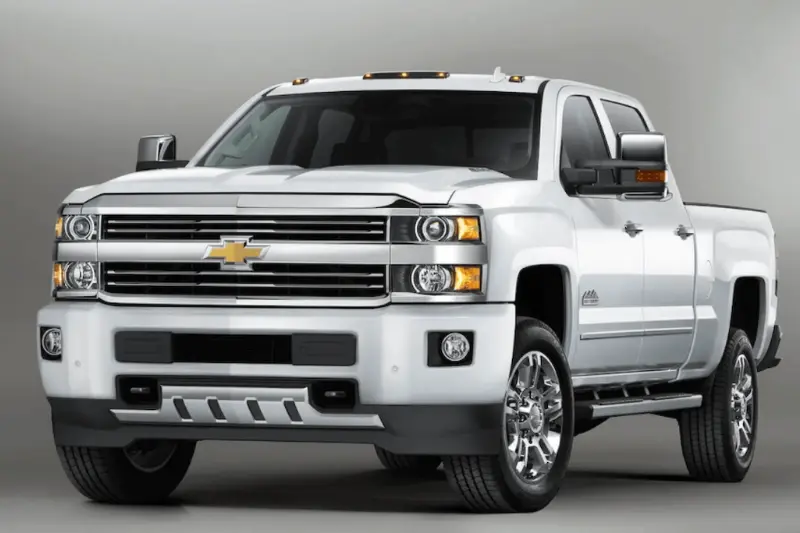
June 2025 Recall of 62,468 Chevrolet Silverado Trucks
- Affected Models: 2019–2024 Chevrolet Silverado 4500HD, 5500HD, and 6500HD.
- Issue: Faulty brake pressure sensor assembly potentially leaking brake fluid, leading to electrical shorts and underhood fires.
- Cause: Use of an unauthorized chemical by the supplier causing part degradation over time.
- Risk: Potential for fires even when the vehicle is parked or turned off.
August 2025 Recall of 2023–2026 Corvette Z06 and 2025–2026 Corvette ZR1
- Issue: Fuel spillage during refueling can reach ignition sources near the driver-side heat exchanger fan.
- Cause: Malfunctioning gas station pumps contributing to fuel spillage.
- Risk: Potential for fire if fuel spills onto ignition sources.
- Resolution: Installation of a protective shield to divert spillage; owners advised to ensure full insertion of the fuel nozzle and wait until fueling is complete before removing it.
Statistics on Affected Vehicles and Incidents
Chevrolet Silverado Recall
- Number of Vehicles Affected: 62,468.
- Estimated Percentage with Defect: Approximately 1% of the recalled vehicles.
- Reported Incidents: No confirmed accidents or injuries reported related to this recall.
Corvette Z06 and ZR1 Recall
- Number of Vehicles Affected: Specific numbers not disclosed.
Unión Rayo - Reported Incidents: No confirmed accidents or injuries reported related to this recall.
- Resolution Timeline: Temporary halt on deliveries; repair solutions under development.
Geographic Distribution of Recalls
United States
- Primary Affected Areas: Nationwide, with no specific regional concentration reported.
- Regulatory Oversight: National Highway Traffic Safety Administration (NHTSA) overseeing recalls.
International Markets
- Canada and Mexico: Potential for similar recalls; specific details not disclosed.
- Other Countries: No information available; GM’s global recall strategy may vary by region.
Role of Federal and State Safety Agencies
National Highway Traffic Safety Administration (NHTSA)
- Responsibilities: Monitor vehicle safety, enforce recall regulations, and ensure manufacturer compliance.
- Actions Taken: Issued recall notices, provided safety advisories to affected vehicle owners.
State Agencies
- Responsibilities: Implement state-specific safety regulations, assist in recall notifications, and address local safety concerns.
- Actions Taken: Collaborated with NHTSA to disseminate information and ensure consumer safety.
Consumer Protection
- Role: Advocate for consumer rights, assist in resolving disputes between consumers and manufacturers.
- Actions Taken: Provided resources for affected consumers, facilitated communication with GM for recall-related issues.
Key Components and Systems Prone to Fire Risk

Fuel System Defects
- Fuel Tank Leaks: Causes and examples in recalled GM vehicles.
- Fuel Pump and Lines: Risks from faulty pumps, cracked lines, or improper installation.
- Fuel Injector Malfunctions: Potential for fuel spraying onto hot engine parts.
- Impact on Fire Risk: How leaks and malfunctions can ignite fires during operation or refueling.
Electrical System and Wiring Issues
- Short Circuits: Common causes in wiring harnesses or connectors.
- Battery Cables and Terminals: Corrosion or loose connections leading to sparks.
- Control Modules and Sensors: Electrical malfunctions triggering overheating or fire.
- Impact on Fire Risk: How electrical failures are a leading cause of vehicle fires.
Engine and Exhaust-Related Risks
- Overheating Components: Pistons, cylinder heads, and turbochargers.
- Oil and Coolant Leaks: Contact with hot engine surfaces.
- Exhaust System Malfunctions: Catalytic converter or muffler overheating.
- Impact on Fire Risk: Heat accumulation and flammable fluid contact leading to fires.
Battery and Hybrid Vehicle Components
- Lithium-Ion Battery Risks: Thermal runaway, punctures, or manufacturing defects.
- Battery Management Systems: Malfunctions that cause overcharging or short circuits.
- Hybrid Vehicle Challenges: High-voltage wiring and complexity increasing fire potential.
- Impact on Fire Risk: Electrical fires or chemical reactions in hybrid and EV batteries.
Aftermarket Modifications and Their Impact
- Unauthorized Electrical Modifications: Added lighting, sound systems, or performance chips.
- Non-OEM Parts: Inferior quality fuel pumps, wiring harnesses, or components.
- Installation Errors: Poorly routed wires or unsecured fuel lines.
- Impact on Fire Risk: Modifications can exacerbate defects or create new fire hazards.
Causes and Risk Factors
Manufacturing Defects
- Faulty Components: Poorly made fuel pumps, wiring harnesses, or sensors.
- Supplier Errors: Substandard materials or incorrect chemical usage (e.g., brake fluid issues).
- Quality Control Lapses: Insufficient testing during production leading to undetected fire hazards.
- Impact on Fire Risk: Defective parts can fail during normal operation, triggering vehicle fires.
Design Flaws
- Engine Layout Issues: Poor spacing of heat-sensitive components near ignition sources.
- Electrical Routing Errors: Wires positioned too close to heat or moving parts.
- Fuel System Design: Tanks, pumps, or lines susceptible to leaks or ruptures.
- Impact on Fire Risk: Flawed designs increase the likelihood of sparks, overheating, and fuel ignition.
Wear and Tear / Maintenance Issues
- Aging Components: Cracked hoses, corroded wires, or worn-out seals.
- Neglected Maintenance: Failure to replace old parts or fluids according to schedule.
- DIY Repairs: Improperly performed repairs increasing hazard potential.
- Impact on Fire Risk: Even minor deterioration can lead to leaks or electrical shorts.
External Factors Contributing to Fire Incidents
- Environmental Conditions: Extreme heat, flooding, or debris exposure.
- Accidents or Collisions: Damage to fuel lines, batteries, or electrical systems.
- Fueling Errors: Spills during refueling or use of incompatible fuels.
- Impact on Fire Risk: External factors can trigger fires even in well-maintained vehicles.
Advantages of GM Recall Programs
Enhancing Vehicle Safety
- Early Detection of Defects: Identifying fire-risk components before incidents occur.
- Corrective Actions: Replacing or repairing defective parts to prevent fires.
- Reduction of Accidents and Injuries: Minimizing risk to drivers, passengers, and pedestrians.
- Long-Term Safety Improvements: Lessons learned inform future vehicle designs.
Protecting Consumer Trust
- Demonstrating Accountability: Showing GM’s commitment to consumer safety.
- Transparency: Publicly disclosing recalls and providing clear instructions.
- Brand Loyalty: Maintaining customer confidence through proactive measures.
- Consumer Education: Informing vehicle owners about proper maintenance and recall procedures.
Compliance with Federal Safety Standards
- Regulatory Requirements: Meeting NHTSA and other governmental safety mandates.
- Avoiding Penalties: Reducing the risk of fines, lawsuits, or mandatory interventions.
- Industry Benchmarking: Aligning GM’s practices with best practices in automotive safety.
- Documentation and Reporting: Maintaining proper recall records for regulatory review.
Mitigation of Financial and Legal Liability
- Minimizing Costs from Accidents: Reducing compensation claims and lawsuits.
- Insurance Benefits: Lower risk for fleet or personal vehicle coverage.
- Public Relations Management: Avoiding negative publicity through early interventions.
- Long-Term Savings: Investment in recall programs prevents larger losses from catastrophic fire incidents.
Disadvantages and Challenges
Cost Implications for GM
- Repair and Replacement Expenses: Parts, labor, and logistics for recalled vehicles.
- Administrative Costs: Managing recall notifications, customer support, and regulatory reporting.
- Research and Development Impact: Additional testing to prevent recurrence.
- Overall Financial Burden: How large-scale recalls can significantly affect GM’s profitability.
Production Delays and Supply Chain Impact
- Halted or Slowed Production Lines: Adjustments to address defective components.
- Supplier Disruptions: Need to replace or correct faulty parts from vendors.
- Inventory Challenges: Managing affected vehicles in dealerships and storage.
- Impact on New Vehicle Deliveries: Delays affecting sales and customer satisfaction.
Reputation and Brand Image Damage
- Public Perception of Safety: Media coverage highlighting fire risks.
- Consumer Confidence Erosion: Fear of defects affecting purchasing decisions.
- Competitive Disadvantage: Negative publicity can favor rival automakers.
- Long-Term Brand Recovery: Efforts required to rebuild trust after large recalls.
Consumer Inconvenience and Dissatisfaction
- Vehicle Downtime: Repairs requiring owners to be without their vehicle for days or weeks.
- Inconvenience of Recall Process: Scheduling repairs, traveling to dealerships, and waiting for parts.
- Emotional Stress: Anxiety over potential fire risks.
- Potential Loss of Use or Value: Resale value may be affected due to recall history.
Real-World Impact
Case Studies of GM Vehicles Involved in Fire Incidents
Chevrolet Silverado Recall
- Overview of reported incidents related to brake pressure sensor failures.
- Analysis of how the defect led to underhood fire risks.
- Resolution measures implemented by GM.
Corvette Z06 and ZR1 Recall
- Incidents during refueling due to fuel spillage onto heat sources.
- Preventive steps: installation of protective shields and fueling guidelines.
- Lessons learned from these high-performance vehicle recalls.
Historical Fire-Related Recalls
- Examples from past decades (e.g., 1990s–2000s models).
- Patterns in component failure and fire causes.
Personal and Property Damage Reports
- Injuries: Any reported burns or accidents caused by vehicle fires.
- Property Damage: Vehicle destruction, collateral damage to nearby property.
- Insurance Claims: Frequency and impact on consumer and company insurance.
- Impact on Consumer Confidence: Emotional and financial effects on owners.
Legal Actions and Settlements
- Class Action Lawsuits: Examples related to GM fire-risk recalls.
- Individual Lawsuits: Cases involving injuries or property damage.
- Financial Settlements: Amounts paid and effect on GM’s financial statements.
- Regulatory Penalties: Fines imposed for delayed or inadequate recalls.
Media Coverage and Public Perception
- News Reports: Coverage of major fire-risk recalls in newspapers, TV, and online media.
- Public Reactions: Social media, forums, and consumer complaints.
- Impact on Brand Image: Short-term and long-term perception of GM safety standards.
- Role of Media in Safety Awareness: How coverage influences recalls and consumer behavior.
Measures Taken by GM to Address Fire Risk
Recall Notification Process
- Identification of Affected Vehicles: Using VINs and production records.
- Notification to Owners: Letters, emails, and dealership communications.
- Public Announcements: Press releases and online recall databases.
- Follow-Up Procedures: Ensuring vehicle owners schedule repairs or replacements.
Technical Fixes and Replacements
- Component Replacement: Fuel system parts, wiring harnesses, or sensors.
- Design Improvements: Updated components to prevent future failures.
- Temporary Solutions: Interim safety measures while permanent fixes are developed.
- Quality Verification: Testing and inspections to ensure the fixes eliminate fire risks.
Safety Campaigns and Consumer Education
- Owner Guidance: Instructions for detecting potential hazards and proper vehicle care.
- Awareness Programs: Social media campaigns, videos, and dealership workshops.
- Maintenance Reminders: Encouraging regular servicing to prevent fire risks.
- Public Safety Tips: Education on safe fueling, avoiding modifications, and handling recalls.
Collaboration with Regulatory Authorities
- Partnership with NHTSA: Reporting defects, implementing recalls, and safety compliance.
- State-Level Coordination: Ensuring local laws and regulations are followed.
- Feedback and Improvement: Using regulatory insights to enhance vehicle safety designs.
- Transparency and Accountability: Maintaining open communication with authorities and consumers.
Future Outlook
Advancements in Vehicle Fire Prevention Technology
- Improved Materials: Flame-retardant plastics, heat-resistant wiring, and safer fuel tanks.
- Advanced Sensors: Fire detection systems integrated with engine and electrical components.
- Automated Safety Systems: Automatic engine shutdown or fire suppression in high-risk situations.
- Predictive Maintenance Tools: AI and telematics monitoring components for potential fire hazards.
Role of Electric and Hybrid Vehicles in Reducing Fire Risk
- Battery Safety Improvements: Advanced lithium-ion battery management systems and thermal controls.
- Reduced Fuel-Based Hazards: Eliminating gasoline-related fire risks in fully electric vehicles.
- High-Voltage System Protections: Circuit isolation, fuses, and fire-resistant housings.
- Industry Trends: Increasing adoption of EVs and hybrids influencing recall patterns.
Emerging Safety Regulations
- Stricter Federal Standards: Updates from NHTSA on fire prevention and reporting.
- State-Specific Legislation: Local laws enhancing vehicle safety compliance.
- Global Regulatory Influence: How international safety standards affect GM’s vehicle designs.
- Implications for Automakers: Necessity of proactive recalls and improved risk assessments.
Predictions for GM’s Recall Management Strategies
- Proactive Recall Systems: Use of AI and data analytics to identify fire risks early.
- Enhanced Consumer Communication: Faster notifications via apps and connected vehicle platforms.
- Collaboration with Tech Partners: Leveraging startups and tech companies for fire-prevention innovations.
- Sustainable Safety Focus: Balancing recall costs, environmental considerations, and customer trust.
You May Also Like It!
Wordle Hints & Answer (#1529) – Tuesday, August 26, 2025
Connections Hint: Smart Clues to Solve the NYT Puzzle
iPhone 17 Air: Features, Price, Release Date & Full Review
Frequently Asked Questions (FAQ)
What models of GM vehicles are most affected by fire recalls?
Recent recalls include Chevrolet Silverado 4500HD/5500HD/6500HD trucks and Corvette Z06/ZR1 models.
Historical models with fire-related recalls span several decades and vehicle types.
How can I check if my GM vehicle is part of a fire-risk recall?
Visit GM’s official recall website or the NHTSA recall database.
Use your vehicle’s VIN (Vehicle Identification Number) to search for active recalls.
What should I do if my vehicle is recalled for fire risk?
Contact your nearest authorized GM dealership to schedule repairs.
Follow all safety instructions provided in recall notices to prevent incidents until repairs are completed.
Are there any risks if I continue driving a recalled GM vehicle?
Yes, depending on the specific defect, there may be a risk of fire while driving or even when the vehicle is parked.
Immediate action, such as scheduling repairs, is strongly recommended.
How does GM prevent future fire-related recalls?
Through improved quality control, design enhancements, and predictive maintenance technologies.
Collaborating with suppliers, regulatory agencies, and using advanced monitoring systems to identify potential risks early.
Can aftermarket modifications increase fire risk in GM vehicles?
Yes, unauthorized electrical or fuel system modifications can exacerbate defects or create new fire hazards.
Always use OEM-approved parts and professional installation to reduce risk.
How long does it take for GM to address a fire-risk recall?
Timelines vary depending on part availability, repair complexity, and dealership scheduling.
GM typically prioritizes high-risk recalls and informs owners of estimated repair schedules.
Conclusion
Summary of Key Insights
- Recap of GM vehicle recalls related to fire risks, including historical and recent cases.
- Key components and systems prone to fire, such as fuel systems, electrical wiring, engines, and batteries.
- Causes and risk factors including manufacturing defects, design flaws, maintenance issues, and external conditions.
Importance of Proactive Recall Management
- How GM’s recall programs enhance vehicle safety and protect consumer trust.
- The role of regulatory compliance and collaboration with authorities in mitigating fire hazards.
- Balancing the advantages of recalls with the challenges, such as cost and consumer inconvenience.
Future Outlook and Recommendations
- Technological advancements and the role of electric/hybrid vehicles in reducing fire risks.
- Emerging safety regulations and predictive measures to prevent future incidents.
- Importance for consumers to stay informed about recalls and follow safety guidelines.
Final Thoughts
- Vehicle recalls, while sometimes inconvenient, are critical for safety and brand accountability.
- Continuous improvement in vehicle design, monitoring, and recall management is essential to minimize fire risks.
- Encouraging both manufacturers and consumers to prioritize safety ensures a safer driving environment for all.
You May Also Like It!
Linked In Games: Engage, Entertain & Boost Your Skills
Starship Launch: SpaceX’s Journey to the Moon, Mars & Beyond
